
Solar panel installation across Kent, designed around the whole home.
A good solar system is designed around the property and the people living in it. We look at your roof, your electricity use and what might change next, then show you the expected generation and the payment options before you decide.
Free and no obligation. Payment options available on qualifying routes.
How solar changes what you pay your supplier.
Your panels generate whenever there is usable daylight, and your home uses that electricity first. Each unit you use straight from the roof is a unit you do not have to buy from your supplier.
Output dips on grey days and in winter and climbs in summer, so the number to look at is expected generation across a full year, and how much of it your household can use. Add a battery and some of the spare daytime output can be kept for the evening. Eligible surplus can potentially be exported for payment.
We work that out from your property, not from a county-wide sunshine figure. See how Kent's conditions and planning rules affect solar.
Is your Kent roof a good fit?
South is not the only direction that works. East and west roofs can also do well, particularly when a household's demand is spread across mornings and evenings. This is what we look at:
Kent roofs vary a lot: Victorian and interwar terraces around the Medway towns, weatherboarded and tile-hung homes in the Weald, and exposed properties along the Thanet and Channel coast. Each brings its own fixing, access and planning questions. If your roof is not suitable, we will tell you.
Kent systems we've fitted.
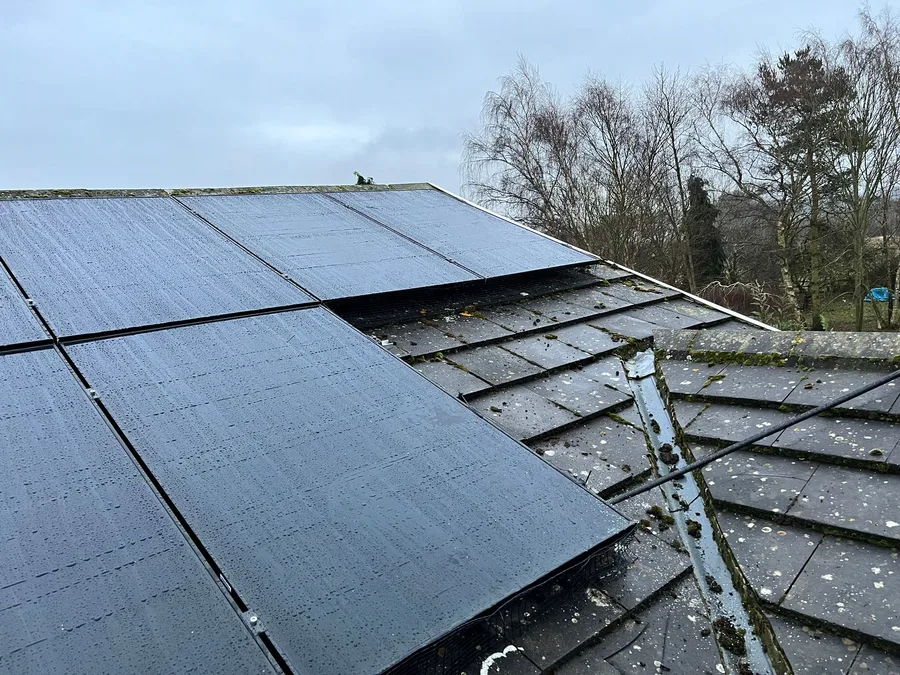
Jamie B.
Canterbury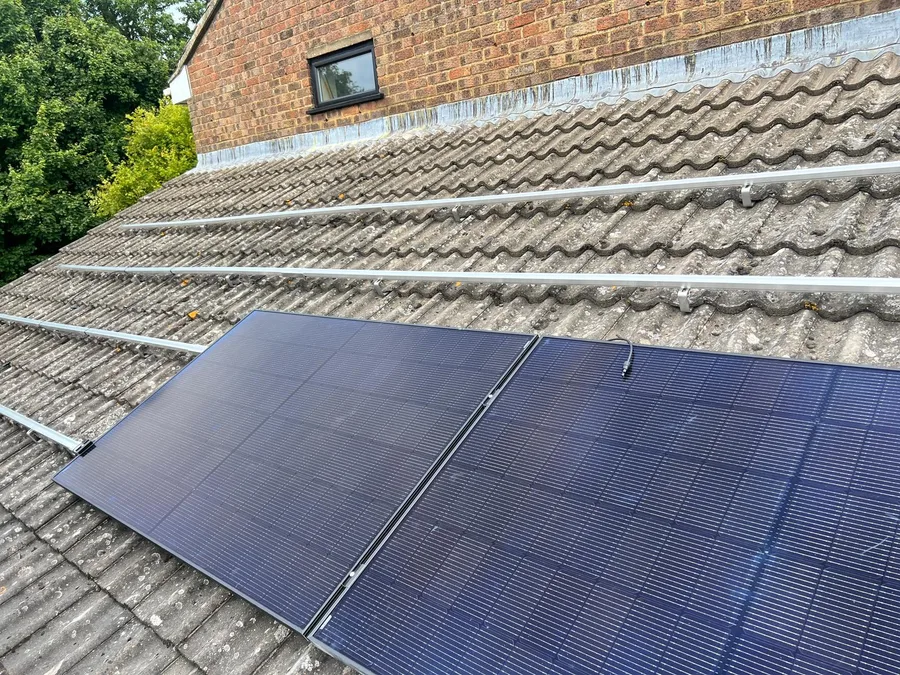
Richard B.
Maidstone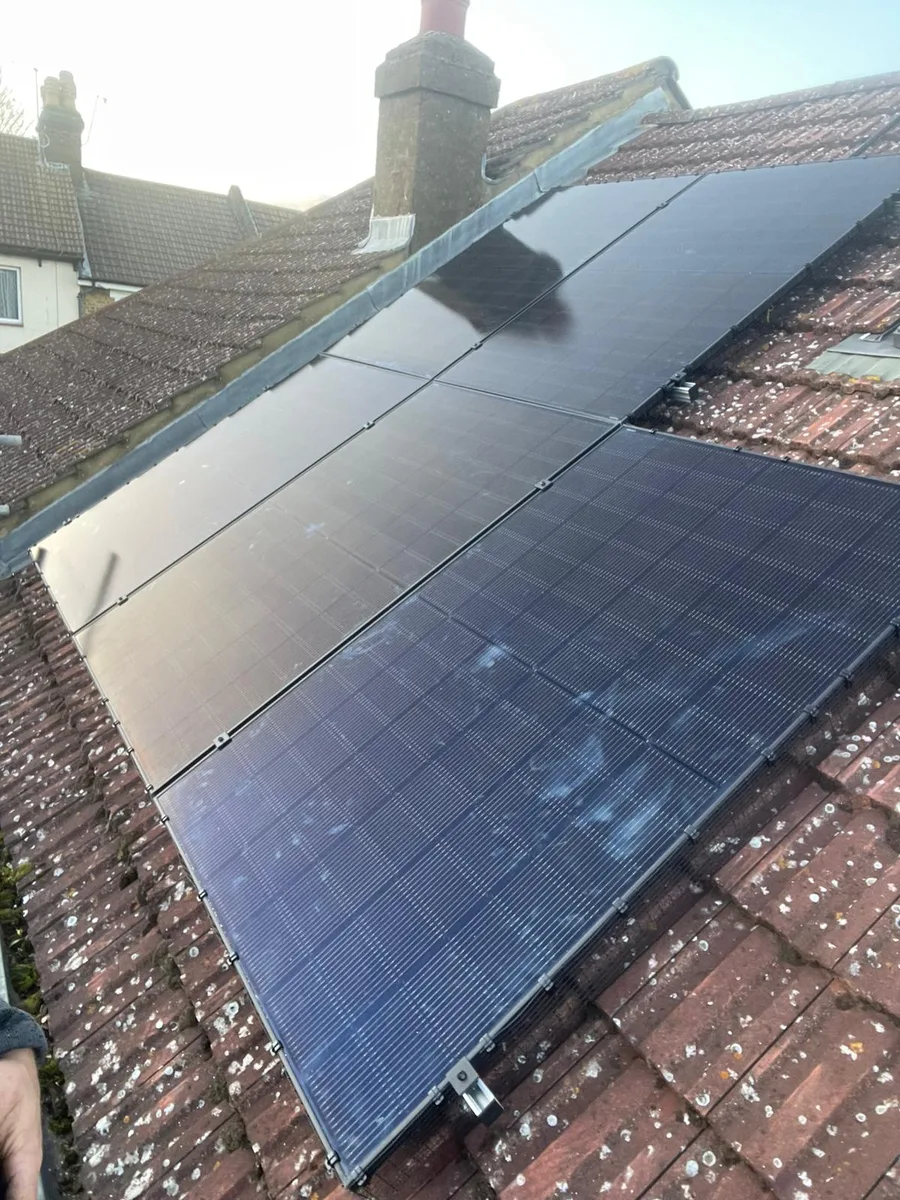
Solomon A.
ChathamFigures are the estimated first-year benefit calculated for each customer's own system at the time of installation, based on MCS-standard assessment methodology. They are estimates, not guarantees, so actual savings vary with household usage, weather and electricity prices.
Solar first. Battery where it adds value.
Panels tend to produce most in the middle of the day, when many households use the least. A battery moves some of that output into the evening. It does not suit every home, and the largest battery is not automatically the right one, so we size storage around your usage. You can also leave room to add one later.
You can compare payment routes after the design is known.
Price and payment are easier to judge once you know what is being built. Your proposal shows the system price, the projected energy benefit and each payment route separately, so you can compare cash, monthly finance, selected short-term 0% promotions and qualifying no-upfront routes on the same numbers.
Solar and battery installations are also currently zero-rated for VAT, a relief that runs until 31 March 2027. Longer repayment terms can lower the monthly cost but increase the total cost of credit.
See whether we're already installing near you.
Local scheduling can sometimes make an area offer possible. Add your postcode to your estimate request and we'll confirm whether anything currently applies.
Finance is subject to status, affordability and lender approval. The installation team behind Kent Solar acts as a credit broker, not a lender. Asking about payment options is not a finance application and won't affect your credit file.
Roof-mounted or ground-mounted?
For most Kent homes the roof is the simplest place to generate electricity without giving up any garden. Where the roof is small, badly oriented or not strong enough, a ground-mounted array may work on a bigger plot. The survey settles which route is practical, and we will not push a system onto a roof just because that is the usual answer.
What your Kent proposal should show.
A proper solar proposal makes its assumptions visible. Yours should set out:
Where EPVS validation applies, the performance assumptions are independently checked. The team behind Kent Solar is MCS certified and TrustMark registered.
Solar questions, answered.
How long does a solar panel installation take?
Most residential installations are completed within one to two days, depending on the size of the system and your roof. Scaffolding usually goes up the day before, and your installer will talk you through the system before they leave.
Do I need planning permission?
Most home solar installations fall under permitted development and do not need planning permission. Parts of Kent sit within the Kent Downs National Landscape (AONB), where visual impact is more carefully regulated and permission can be needed even where it would not be elsewhere. See our Kent planning guide for the detail.
How much roof space do I need?
It depends on your household's electricity use and how many panels you want to fit, which is what the survey establishes. We model your roof's usable area, orientation and any shading before recommending a system size, rather than quoting a generic number of panels.
How do solar panels actually work?
Panels are made of photovoltaic cells, almost always monocrystalline silicon on modern homes. They generate direct current (DC) whenever there is daylight, not only direct sun. An inverter converts that into the alternating current (AC) your appliances use, or sends it to charge a battery.
Which inverter will I need?
A string inverter serves the whole array and is the lowest-cost option for a simple, unshaded roof. Microinverters put a small inverter behind each panel and suit shaded or multi-aspect roofs, typically at £200 to £500 more. A hybrid inverter is built to work with battery storage, so it is usually the starting point if a battery is planned now or later.
What maintenance and warranties should I expect?
Panels have no moving parts, so upkeep is light: an occasional visual check and keeping them clear of heavy debris or moss. Most manufacturers back panels with a 25-year (or longer) performance warranty, plus a shorter product warranty and workmanship cover. Inverters are the part most likely to need replacing, typically after 10 to 15 years for a string inverter. Exact terms are confirmed in your proposal.
Build the wider home-energy plan.
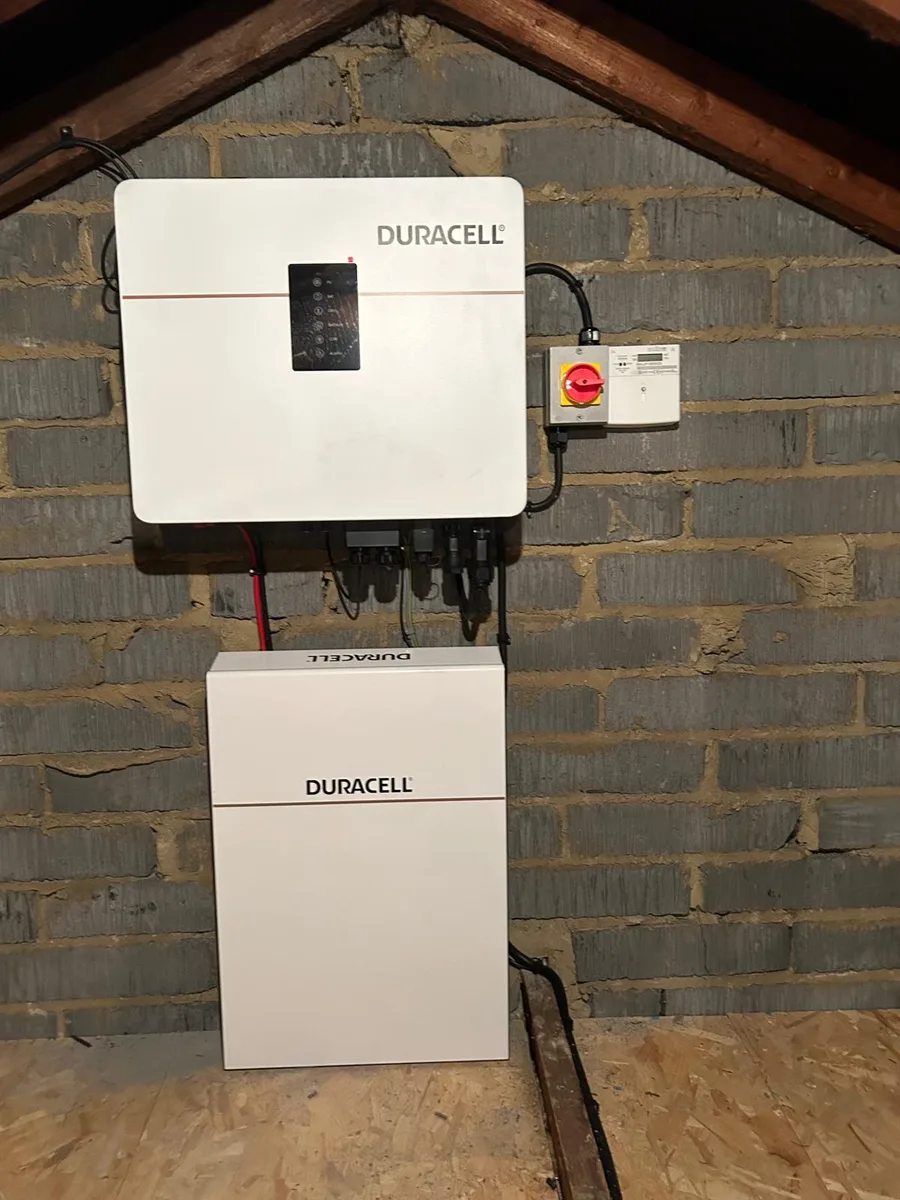
Battery Storage
Keep more of your daytime generation for the evening.
Compare home battery storage →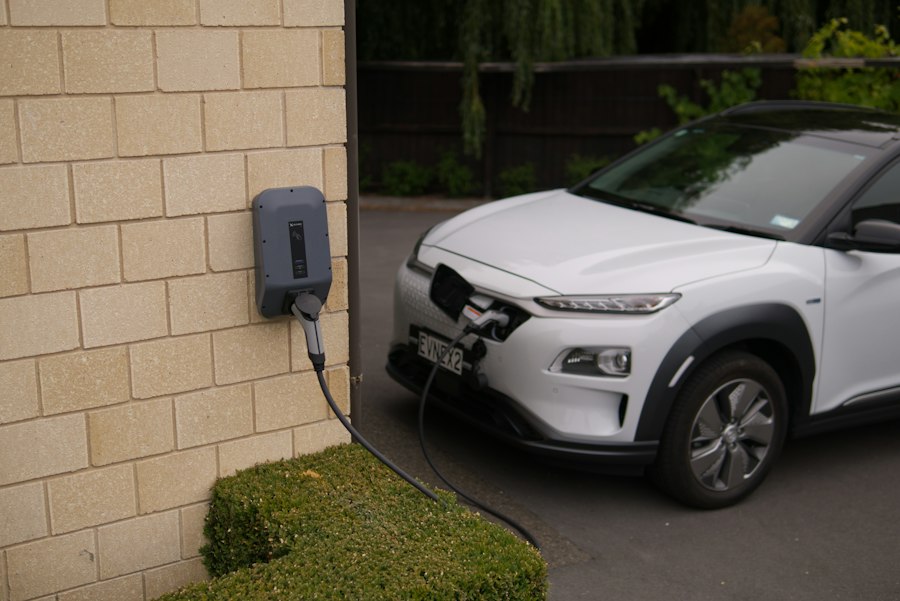
Get your home energy estimate
Tell us a little about your home and what you're considering. We'll use it to review likely suitability and the next step.
Free and no obligation. Asking about payment options is not a finance application and won't affect your credit file.
No obligation to proceed. If the property looks suitable, a member of the solar team may contact you to clarify the details before a proposal is prepared.